Retailers Reimagine Brick-and-Mortar as Experiential Hubs to Drive Engagement and Revenue in a Dynamic Market

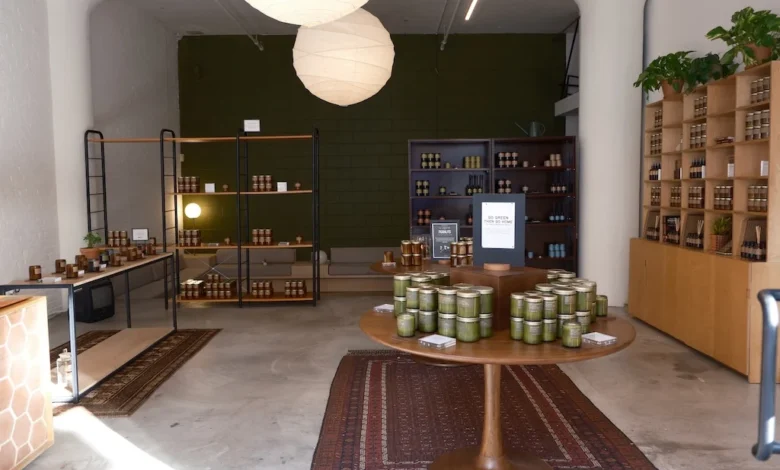
In an evolving retail landscape marked by fierce competition, fluctuating consumer spending, and the pervasive influence of e-commerce, independent businesses are strategically transforming their physical storefronts into dynamic experiential destinations. This innovative approach, exemplified by brands such as P.F. Candle Co. and Brooklyn-based vintage emporium Sorbara’s, aims to leverage prime real estate not merely as points of sale but as vibrant community hubs designed to attract new audiences and cultivate secondary revenue streams. By hosting a diverse array of events, from artisanal matcha pop-ups and book launches to collaborative brand residencies and unexpected open-mic nights, these retailers are optimizing their square footage to break through the digital "noise" and capture the attention of value-seeking customers who increasingly prioritize experiences over mere transactions.
The strategic shift towards experiential retail comes at a critical juncture for brick-and-mortar stores. Data from various retail analytics firms consistently highlight the escalating operational costs associated with physical locations, particularly in high-rent urban centers like New York, Los Angeles, and San Francisco. Simultaneously, consumer behavior has undergone a profound transformation. A 2023 report by Statista revealed that nearly 60% of consumers globally expressed a preference for brands that offer unique in-store experiences. This sentiment is particularly strong among younger demographics, with Gen Z and Millennials actively seeking authentic interactions, community engagement, and Instagrammable moments that transcend traditional shopping trips. For independent retailers, this confluence of challenges and opportunities necessitates creative solutions to justify the significant investment in physical space.
P.F. Candle Co.’s Multi-City Experiential Blueprint
P.F. Candle Co., a renowned Los Angeles-based fragrance brand, has made the optimization of its three flagship stores across New York, Los Angeles, and San Francisco a paramount business priority for the current year. Co-founder Kristen Pumphrey articulated the brand’s imperative, noting that foot traffic has become notably unpredictable due to external macroeconomic factors, including volatile gas prices and disruptive weather patterns. This variability has compelled the brand to innovate compelling strategies to draw new patrons into its physical locations.
"Right now, you really live and die by people just walking by," Pumphrey stated, underscoring the precarious nature of passive retail. "This year, it really clicked for us what works in the stores versus why people shop online." This realization has galvanized P.F. Candle Co. to embrace a proactive event-hosting strategy, typically organizing at least one event per month across its locations. The emphasis has largely been on free events, empowering individual store managers to curate activations that resonate with their local communities and reflect their unique insights into customer preferences. This decentralized approach fosters a sense of ownership and allows for tailored, authentic experiences.
Beyond internally organized events, P.F. Candle Co. has strategically opened its Los Angeles store to limited-time pop-ups by other brands. This collaborative model is a symbiotic relationship, as Pumphrey explained: "We have the space and can take advantage of the amplification of other brands publicizing it." A notable example of this successful synergy was a week-long spring residency featuring Happy Organics, a brand celebrated for its hyper-realistic food candles. This unique collaboration offered exclusive, hand-painted fruit- and veggie-inspired beeswax candles, generating significant buzz. The event’s success was further amplified when it garnered media attention, with a feature in the prestigious Los Angeles Times that specifically highlighted P.F. Candle Co.’s Echo Park store. This media exposure provided invaluable, organic public relations for both participating brands, extending their reach far beyond their immediate customer bases.
Financially, these collaborative pop-ups serve a dual purpose. While primarily a strategy to drive foot traffic and amplify brand offerings, they also contribute a modest yet meaningful revenue stream, helping to offset the persistently rising operational costs associated with maintaining physical retail spaces. P.F. Candle Co. adopts a pragmatic approach, taking a "very low cut of sales from the event, about 10% basically for hosting them," according to Pumphrey. This revenue model ensures accessibility for smaller, independent brands while providing a tangible benefit to the host.
Pumphrey describes these pop-ups and events as a "halo strategy" for their stores, consistently demonstrating their capacity to generate incremental sales. Analysis of weekend performance metrics provides compelling evidence of this impact. Weekends featuring pop-ups at P.F. Candle Co.’s Echo Park store in Los Angeles have shown an average sales lift of 17% compared to weekends without events. The impact is even more pronounced in New York, where pop-ups have boosted sales by an average of 34%. In San Francisco, when pop-ups are strategically coordinated with larger neighborhood events, such as the North Beach Festival, sales have surged by as much as 31%. These figures illustrate a clear correlation between experiential activations and enhanced commercial performance, transforming what might otherwise be quiet retail days into bustling, profitable periods.
Diversifying the Experiential Portfolio
P.F. Candle Co. has also embraced an "out-of-the-box" approach, saying "yes" to events that don’t immediately align with their core candle business. This diversification strategy is rooted in the understanding that unexpected offerings can draw in entirely new customer segments. "People come in for one thing and then see that we have candles and incense, too," Pumphrey explained, highlighting the cross-promotional potential.
A recent example of this inventive spirit was a singing open-mic night hosted by the New York City store manager, which attracted an entirely unexpected and diverse crowd. "We’ve never done something like that before," Pumphrey remarked, underscoring the experimental nature of their current strategy. Similarly, vintage pop-ups, allowing individuals to host "closet sales," have proven successful, tapping into the burgeoning trend of sustainable fashion and circular consumption.
Perhaps one of the most consistently popular and visually engaging activations has been the introduction of matcha carts. Collaborations with local purveyors like Ren in New York City and Tea for Us in San Francisco have generated unexpectedly long lines, creating a vibrant, energetic atmosphere. These food and beverage pop-ups have become a broader trend across retail, with brands like Draper James, founded by Reese Witherspoon, successfully integrating SipNSpritz cocktails and Tea Forte co-branded pop-ups into their sales floors. Pumphrey attributes the success of matcha carts to their efficiency and aesthetic appeal: "The matcha carts work so well because they don’t take up a ton of space and also help generate customer content." Furthermore, the visible crowds they draw serve as an organic magnet, intriguing passersby and drawing them into the store.
While the event-space strategy is a year-round commitment, P.F. Candle Co. adjusts its frequency during the fall season. This seasonal calibration is practical, as the increased inventory of candles for the holiday season naturally occupies more physical space, necessitating a slight reduction in event scheduling. Looking ahead, Pumphrey affirms the brand’s commitment to this experimental path: "Offering the space to like-minded friends and brands is a way to bring new foot traffic. That is what we will continue to test out this year."
Sorbara’s: A Vintage Haven for Emerging Brands
In Brooklyn, Kathleen Sorbara, owner of the vintage shop Sorbara’s, echoes P.F. Candle Co.’s sentiment regarding the strategic value of third-party events. Having opened her doors in 2024, Sorbara quickly established a steady rhythm of in-store events where other brands or designers take the lead, effectively lending out her square footage to help recoup substantial rental costs. This model is particularly pertinent in expensive markets like New York, where securing a multi-year lease remains a significant barrier for independent designers and nascent brands lacking extensive capital. Sorbara’s, therefore, acts as an accessible platform, fostering a vibrant ecosystem for emerging creatives.
Sorbara leverages organic social media content and a diligently maintained event calendar as her primary tools for driving foot traffic, eschewing paid advertising. Her typical event format involves an opening reception on a Thursday, specifically designed to promote the featured designer or brand’s presence in the space for the ensuing weekend. This concentrated promotional effort ensures maximum visibility and engagement during peak shopping days.
The diverse range of events hosted at Sorbara’s highlights its versatility as an experiential venue. This year, the store co-hosted a notable book launch for Gene Pressman, grandson of Barney’s founder Barney Pressman. This event not only celebrated a new publication but also tapped into the rich history of fashion retail, attracting an audience interested in heritage and industry narratives. Last fall, Sorbara’s partnered with Madewell to host a denim trade event, a collaboration designed to promote Madewell’s upcycling program. This partnership underscored a shared commitment to sustainability, resonating with environmentally conscious consumers and further diversifying the store’s appeal.
Kathleen Sorbara pragmatically refers to her store as a "lemonade stand," an analogy that encapsulates her agile, experimental approach to retail. "This is a fun way to try out new things that our customers react really well to," she explains. However, this openness is balanced with a judicious selection process. "But we are pretty selective about who we bring in," Sorbara clarifies. As a small business owner, she meticulously weighs the return on investment (ROI) for every potential vendor or brand seeking to utilize her space, ensuring that each collaboration warrants the time and effort required to integrate it into her event calendar. The benefits extend beyond direct revenue, encompassing significant public relations value. "Having the space allows us to help co-host these real-life events," she states. "It’s also just good PR."
Broader Implications and The Future of Retail
The strategies employed by P.F. Candle Co. and Sorbara’s are indicative of a wider trend reshaping the physical retail landscape. Industry experts increasingly advocate for stores to evolve into "third places"—spaces that are neither home nor work, fostering community and social interaction. This transformation is vital for brick-and-mortar stores to maintain relevance in an era dominated by instantaneous online transactions.
The collaborative model also addresses significant economic pressures. With commercial rents continuing to climb in desirable urban areas, sharing space and resources provides a lifeline for both established retailers seeking to maximize assets and emerging brands grappling with prohibitive entry costs. This symbiotic relationship nurtures local economies, supports independent artisans and designers, and fosters a more diverse and vibrant retail ecosystem.
Moreover, events serve as a powerful organic marketing tool. In a world saturated with digital advertisements, authentic in-person experiences generate genuine excitement, word-of-mouth referrals, and valuable user-generated content for social media. The "Instagrammable" nature of unique events, such as artistic pop-ups or engaging workshops, translates directly into free marketing, amplifying brand reach without the hefty price tag of traditional advertising campaigns.
Challenges remain, including the logistical complexities of event planning, the need for dedicated staff to manage activations, and the continuous demand for fresh, engaging content to prevent stagnation. However, the proven success metrics from retailers like P.F. Candle Co. – with significant sales lifts directly attributable to events – demonstrate a clear path forward. As consumer preferences continue to lean towards unique experiences and authentic connections, the reinvention of physical stores as dynamic, multifaceted destinations is not merely a trend but an essential evolution for sustainable retail in the 21st century. The future of brick-and-mortar lies in its capacity to offer something that e-commerce cannot: a tangible, memorable, and deeply human experience.